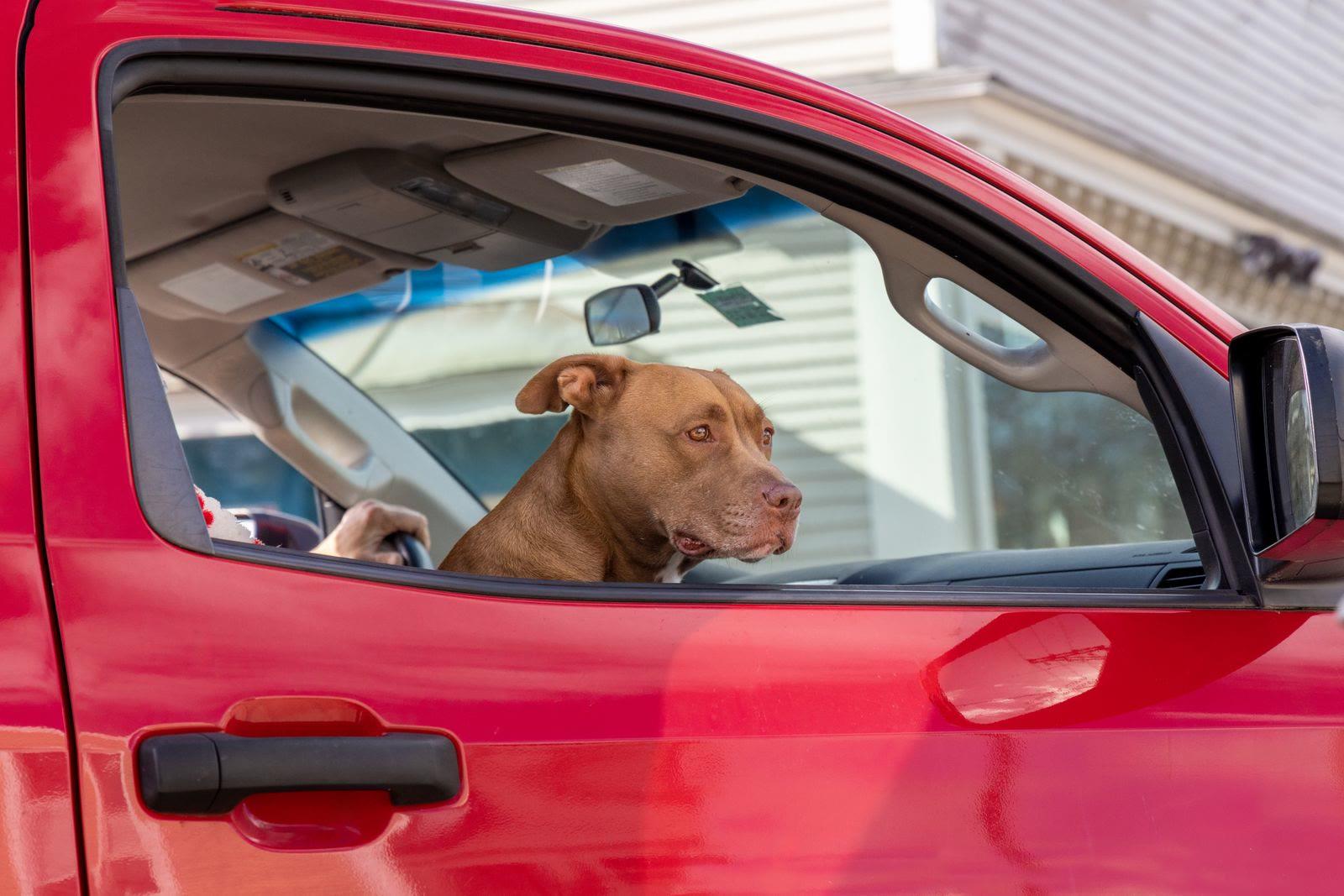
What is different about a truck
- Rear bench widths vary between makes, models and years, so a cover sold as universal can be short on one truck and loose on another.
- On many crew cabs the rear cushions lift up, often split 60/40, to make room for cargo or reach storage underneath. A one-piece cover stops that working.
- Extended and double cabs have smaller rear seats than crew cabs, and some have fold-down or jump seats. Check which cab your truck has before you shop.
- Trucks that go to the field, the lake or the job site bring back more mud than most cars, so how fast the cover comes off matters more.
Measure before you buy
- Measure the rear bench from door to door across the seat cushion, and the depth of the cushion front to back.
- Measure the height of the seat back and check whether the headrests come up far enough to take a strap.
- For a hammock or a cover that bridges the footwell, measure the floor width and the distance from the rear bench to the front seat backs.
- Compare your numbers with the dimensions the maker lists for the cover. A listing that only says it fits most trucks is not a measurement.
Which type for a truck
- Bench cover: lies flat over the rear bench. Simple, but the footwell stays open.
- Hammock: clips to the front and rear headrests and closes off the footwell. On a wide cab the middle can sag more than in a car.
- Split cover: zips or opens on one side, so a passenger can sit there or that part of the seat can flip up. The one to look for if you use the 60/40 split.
- Single-seat protector: covers one seat only. Best when one dog always takes the same side and people or cargo use the rest.
- Hard-bottom or floor-bridging cover: a rigid panel over the footwell makes one level area. Check that its maker lists dimensions that match your cab.
Belts, anchors and child seats
- Look for an opening at every rear buckle, so belts can still be used without taking the cover off.
- A full bench cover sits over the anchor points a child seat clips into. If a child seat ever goes in the back, use a single-seat protector on the dog's side or take the cover off first.
- Fix the cover so it does not slide when the dog jumps up, usually with seat anchors tucked into the crease between cushion and back.
In the cab, not in the bed
The American Veterinary Medical Association says carrying pets in the open cargo area of a vehicle, loose or tied, is not safe, and many states ban or restrict dogs in truck beds. A truck bed in the sun also gets hot underfoot. A covered back seat is where a dog rides in a truck.
What a seat cover is not
A seat cover keeps the truck clean and gives the dog somewhere to lie. It does not hold a dog in place in a sudden stop. If you want your dog held in place, that is a job for a travel harness or crate chosen for that purpose and fitted as its maker describes (see our guide to back seat covers for dogs).
A kit for the seat your dog rides on
Our Back Seat Kit pairs a washable towel-style seat protector with a charcoal bag for the dog smell. It goes on sale at launch.
This guide is general advice, not veterinary or safety guidance. Nothing on this site is a restraint or a safety device.